Fresno County Family Court handles legal disputes that affect families, children, and domestic relationships. The court hears cases involving divorce, child custody, visitation schedules, and financial support. It applies California family law to resolve conflicts and issue enforceable orders. Many parties come to court during stressful life events that require clear legal direction. Judges review evidence, assess credibility, and follow established court procedures. Each case begins with formal legal filings and proper service of documents. The court may grant temporary orders to stabilize custody, support, or safety concerns. These early decisions often shape the course of the case. Fresno County Family Court supports parents, spouses, guardians, and petitioners seeking protection. Hearings focus on fairness, statutory standards, and the best interests of children. Outcomes vary based on facts, documentation, and legal arguments. Accurate paperwork and deadlines play a major role in case progress.
Fresno County Family Court serves people who need structured resolution for family law matters. The court manages domestic relations court functions tied to parental rights and financial duties. Common case types include spousal support, parentage actions, guardianship of minors, and restraining orders. Each matter follows defined court procedures designed to protect legal rights. Parties may appear with attorneys or proceed as self-represented litigants. Judges evaluate declarations, financial disclosures, and testimony before issuing rulings. Orders may address custody arrangements, visitation terms, or support obligations. Compliance with court orders remains legally binding. The court’s role centers on lawful decision-making, consistency, and public trust. Timelines depend on filings, responses, hearings, and case complexity. Proper preparation helps reduce delays and procedural setbacks. Fresno County Family Court remains a key venue for resolving sensitive disputes with legal authority and oversight.
What Is Fresno County Family Court?
Fresno County Family Court is the branch of the local judicial system dedicated to family cases. It operates within the California family court system and focuses on disputes involving marriage, children, and domestic relationships. As part of the Fresno County Court, this division applies California statutes to resolve conflicts and issue enforceable orders. Judges evaluate evidence, review legal filings, and conduct hearings under defined court procedures. Decisions often shape parental rights, financial responsibilities, and long-term family stability.
Role Within the California Judicial System
Fresno County Family Court functions under California’s Superior Court framework. It serves as the county’s specialized family law division, created to handle domestic relations court matters. Judges apply the California Family Code along with statewide procedural rules. The court maintains consistency with judicial standards used across California. Its rulings carry the same authority as orders issued in other Superior Court divisions. This structure keeps sensitive family disputes within a focused legal environment. The court’s responsibilities include interpreting family law, managing hearings, reviewing disclosures, and issuing lawful orders. Judges oversee both temporary and final decisions that affect custody, support, and legal status. Each action follows established court procedures designed to protect fairness and due process. Enforcement mechanisms exist to address violations of court orders. These functions support stability, accountability, and legal clarity.
Types of Cases Handled
Fresno County Family Court hears a broad range of family law matters that impact personal relationships and financial duties. Many cases involve children, parental rights, or household safety. Each case type follows a specific filing path and procedural schedule. Judges may grant temporary orders to address urgent needs early in the case. Final judgments define long-term responsibilities and legal outcomes. Accurate documentation and timely filings strongly influence case progress.
Family cases:
- Adoption Proceedings
- Divorce (Dissolution of Marriage)
- Child Custody & Visitation
- Child Support
- Spousal Support
- Parentage (Paternity)
- Domestic Violence Restraining Orders
- Legal Separation
- Guardianship of Minors
Difference From Civil and Criminal Courts
Family Court serves a distinct purpose compared with civil and criminal divisions. It focuses on domestic relationships rather than lawsuits or criminal charges. Civil courts address disputes involving contracts, property, and financial claims. Criminal courts handle cases where the state prosecutes alleged offenses. Family Court centers on parental rights, support obligations, and family responsibilities. Procedures reflect the sensitive nature of these matters. Unlike civil litigation, family cases often involve ongoing relationships between the parties. Unlike criminal proceedings, the goal is dispute resolution rather than punishment. Judges consider child welfare, financial fairness, and legal standards. Orders often require long-term compliance. This difference defines how cases move through the court system.
Jurisdiction Over Family Cases
Fresno County Family Court holds authority over disputes defined by California family law. Jurisdiction covers cases involving spouses, parents, children, and legal guardians. Matters must fall within statutes governing domestic relations and family responsibilities. Judges determine custody, visitation, support, and legal parent status. The court may issue protective and restraining orders where safety concerns exist. This defined scope keeps family law matters within a specialized division. Jurisdiction includes divorce, legal separation, child custody, child support, spousal support, and parentage determinations. It extends to guardianship of minors and adoption proceedings. Each case requires proper legal filings and service of documents. Judges evaluate eligibility, evidence, and statutory factors. This authority allows the court to resolve issues that directly affect family structure and stability.
How to Search Fresno County Family Law Cases
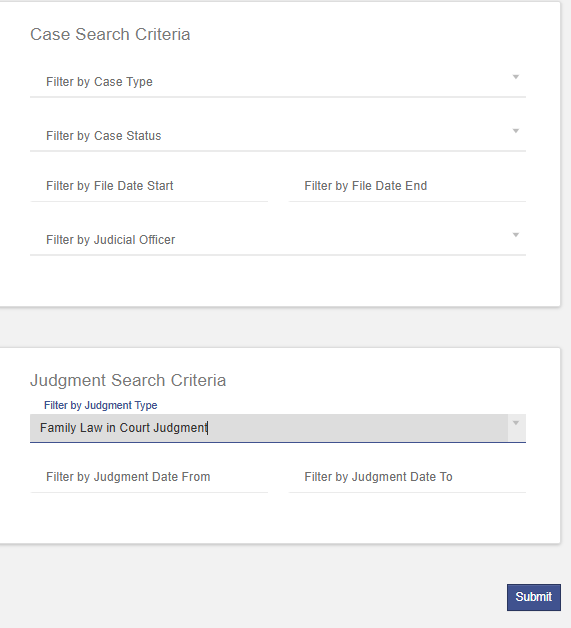
Searching online helps users review case activity, confirm hearings, and check status updates without visiting the courthouse. The county provides a public portal where users can search Fresno County Family Court cases, perform a Fresno family case lookup, and run a family law records search. Results depend on correct data entry and court privacy rules. Using the official system gives the most reliable information.
Official Site URL: https://www.fresno.courts.ca.gov
Using the Official Fresno Superior Court Search
The Fresno Superior Court case search system allows public queries across divisions. Following the correct steps improves accuracy and prevents unrelated results.
Instructions
- Visit the Official Website Open a web browser and enter:https://www.fresno.courts.ca.gov
- Locate Case Search / Case Information From the homepage, find the menu or quick links section. Select Case Information, Case Search, or similar wording. Placement may vary slightly as the site updates.
- Choose the Correct Division Select Family Law or Domestic Relations. This filter restricts results to family cases such as divorce, custody, and support.
- Select Search Method Most portals offer multiple search options:
- Case Number
- Party Name
- Filing Date Range
- Enter Search Criteria Input the required details carefully. Exact matches produce the best results.
- Submit the Search Click Search, Submit, or View Results.
- Review Case Listings The system displays matching records based on the entered data.
Information Required to Perform a Search
Meeting the Fresno family case lookup requirements plays a key role in successful searches. Incomplete or inaccurate entries may return zero matches. A case number search reduces errors. A party name search works when the number remains unknown.
Search Inputs
- Case Number
A unique identifier that leads directly to the correct record. - Party Name
Enter full legal names when possible. Try different formats if needed. - Filing Year Range
Helps narrow results for common surnames. - Case Type
Selecting Family Law improves filtering precision.
Types of Cases Handled in Family Court
Fresno County Family Court cases cover a wide range of disputes involving marriage, children, finances, and personal safety. The court hears family law cases that require judicial review, formal legal petitions, and enforceable court orders. Many matters involve domestic disputes between spouses, parents, or guardians. Judges evaluate filings, evidence, and statutory factors before issuing rulings. Each case type follows structured court procedures and deadlines. Outcomes affect parental rights, financial duties, and legal responsibilities. Family Court manages issues that civil or criminal courts do not address. These court matters often require ongoing oversight, modifications, or enforcement. Parties may request temporary relief early in the process. Final judgments establish long-term obligations. Accurate documentation strongly influences results. The following sections explain major family law categories handled by the court.
Divorce & Dissolution of Marriage
The Fresno divorce court handles cases involving marital dissolution and the legal end of a marriage, including matters tied to marriage and divorce records. Divorce proceedings determine property division, support obligations, and parental arrangements when children are involved. Each divorce begins with a formal divorce petition filed with the court. Judges oversee hearings, review disclosures, and issue a divorce judgment once the case resolves.
Grounds for Divorce in California
California follows a no-fault divorce system. This means a spouse does not need to prove wrongdoing. Irreconcilable differences simply indicate the marriage cannot continue. Courts do not require evidence of misconduct.
Recognized grounds include:
- Irreconcilable differences
- Permanent legal incapacity to make decisions
Filing Process
Divorce proceedings start when one spouse files a petition. Proper service and accurate paperwork play a major role. Missing steps may delay the case.
Basic filing steps:
- File a Petition for Dissolution of Marriage
- Serve legal papers on the other spouse
- Wait for a response (if filed)
- Exchange financial disclosures
- Request temporary orders if needed
- Reach settlement or proceed to trial
Property Division
California follows community property law, which usually divides marital assets and debts equally. The court separates community property from individually owned separate property. Judges review financial disclosures, ownership records, and valuation evidence. Disputes often involve asset classification, reimbursement claims, or debt allocation. Accurate appraisals may be needed for real estate, retirement accounts, or businesses. Courts aim for fair distribution based on California statutes, using hearings when disagreements persist.
Spousal Support
Spousal support depends on financial need, ability to pay, and statutory factors. Judges consider marriage length, income, earning capacity, and marital lifestyle. Temporary support may apply during the case, with long-term orders decided later. Courts analyze pay records, tax returns, and expense disclosures. Earning capacity reviews may address underemployment concerns. Support terms can change if financial circumstances shift, and enforcement actions may follow missed payments.
Child Custody & Visitation
The Fresno child custody court handles disputes about parental responsibility and a child’s living arrangements. Judges issue orders defining legal custody (decision-making authority) and physical custody (where the child lives). Courts may approve joint or sole custody depending on the evidence. Decisions follow the best interest of the child standard. Judges assess safety, stability, and caregiving capacity. A structured parenting plan typically outlines visitation rights and schedules. Mediation is often required before contested hearings. Courts may enter temporary orders at the start of a case, then issue permanent orders after settlement or trial. Violations can lead to enforcement actions.
Child Support Cases
Child support Fresno County cases establish financial contributions for a child’s care. Courts use statutory formulas based on income and parenting time. California follows an income shares model that considers both parents’ earnings. Judges review wage data, tax records, and expense disclosures. Support calculation factors often include income, healthcare costs, childcare expenses, and custody arrangements. Orders remain legally binding once issued. Failure to pay may result in enforcement actions. Parents may request a support modification if financial circumstances change. Courts review updated income and expense information. The Department of Child Support Services (DCSS) may assist with establishment and enforcement.
Enforcement mechanisms may involve:
- Wage withholding
- Tax refund interception
- License suspension
- Liens on property
Domestic Violence & Restraining Orders
Restraining orders Fresno cases address safety concerns linked to domestic abuse cases. Courts issue protective orders to prevent contact, harassment, or threats. Emergency protections may begin with a TRO (Temporary Restraining Order). Types of restraining orders include emergency orders, temporary orders, and long-term orders issued after a hearing. Each serves a specific protective purpose. Evidence requirements may include sworn statements, messages, photos, medical records, or witness testimony. Judges evaluate credibility and risk factors. During the hearing process, both sides may present evidence. Final orders define restrictions and duration.
Basic filing steps
- start with submitting a petition describing the alleged conduct.
- The court reviews the request and may grant immediate temporary relief.
- Law enforcement or an authorized server delivers notice to the restrained party.
Paternity & Parentage
Paternity cases Fresno County determine a child’s legal parent relationship. Courts issue orders establishing parentage determination and related rights. Cases may arise when parents were not married at the child’s birth. Judges may order DNA testing when parentage remains disputed. Test results guide legal recognition of legal fatherhood or parent status. Once established, parentage affects custody, visitation, and support obligations. Court orders provide clarity and enforceable rights.
Spousal Support
Spousal support Fresno cases address financial assistance between spouses during or after divorce. Courts may award temporary support while proceedings continue. Judges later evaluate eligibility for long-term support. Support decisions depend on income, earning capacity, marriage length, and lifestyle factors. Orders may change through modification if financial conditions shift. Courts review updated disclosures before approving adjustments. Enforcement measures apply if payments lapse.
How to File a Family Court Case in Fresno County
To file family court case Fresno, a party must prepare accurate court forms, submit required legal paperwork, and pay applicable filing fees. The process follows structured court procedures that protect fairness and due process. Each case type—divorce, custody, support, restraining orders—requires specific documents. Missing forms or incorrect details may delay acceptance. Careful preparation improves efficiency and reduces rejection risk. Filing formally opens the case and activates deadlines, service rules, and hearing schedules. Parties benefit from reviewing instructions published by the Fresno Superior Court. Many litigants proceed without attorneys, though legal advice may help with complex issues. Organization and accuracy remain key at every stage.
Required Documents
Every family law case begins with properly completed paperwork. The court requires standardized court forms that match the case type and requested relief. Documents must include correct names, dates, and factual statements. Courts review filings for completeness, legibility, and required signatures. Inconsistent or missing information often results in rejection or correction notices. Some cases require financial disclosures or sworn declarations. Preparing documents carefully reduces delays and repeat visits to the clerk’s office. Parties should verify that all attachments, schedules, and supporting pages appear before submission.
Required documents may include:
- Petition (case-opening request)
- Summons
- Declarations or affidavits
- Financial disclosures (income/expense forms)
- Proposed orders (if requesting temporary relief)
- Proof of service forms (after delivery)
Filing Fees & Waivers
Most filings require payment of filing fees, which vary by case category. Fees apply when opening a case or submitting certain motions. Courts publish updated schedules on the official website. Parties who face financial hardship may apply for a fee waiver. Approval depends on income level and documented expenses. A granted waiver may cover part or all of the fees. If denied, payment becomes necessary before processing continues. Checking fee requirements early helps prevent unexpected interruptions. Accurate waiver applications improve review outcomes and reduce delays.
Fee-related considerations include:
- Initial filing fee
- Motion or request fees
- Fee waiver application
- Supporting income documentation
- Court decision on waiver eligibility
Service of Process
After filing, the law requires formal service of process. This step provides legal notice to the other party. Proper service validates the case and protects due process rights. A party typically cannot serve documents personally. An authorized adult, registered process server, or law enforcement may complete delivery. Deadlines govern when service must occur. Courts require documented proof rather than verbal confirmation. Incorrect service may delay hearings or invalidate requests. Accurate completion ensures the case moves forward within legal standards.
Service requirements often involve:
- Delivering filed documents
- Using an approved server
- Meeting service deadlines
- Completing proof of service
- Filing service confirmation with the court
Court Clerk Procedures
The Fresno Superior Court clerk’s office manages filing intake and record processing. Clerks review submissions for completeness, signatures, and fee payment. They do not provide legal advice but may offer procedural assistance. Accepted filings receive a case number and official stamp. Rejected paperwork returns with correction instructions. Filing options may include in-person or electronic submission, depending on case type. Clerks schedule hearings and maintain official records. Processing times vary based on workload. Accurate paperwork supports faster review and smoother case progression.
Clerk responsibilities include:
- Reviewing filed documents
- Assigning case numbers
- Processing fees or waivers
- Scheduling hearings
- Maintaining court records
Court Hearings, Calendars & Scheduling
Fresno Family Court hearings follow structured timelines set by judicial procedures and courtroom availability. Hearings allow judges to review requests, evaluate evidence, and issue temporary or final orders. Each case moves according to filing dates, service completion, and statutory deadlines. Missing a scheduled appearance may lead to delays or adverse rulings. Tracking the court calendar and confirming hearing dates remains essential for both parties. Proper scheduling helps maintain case progress and prevents procedural setbacks. Family law hearings may address custody, visitation, support, property, restraining orders, or case management issues. Courts assign hearings based on department workload and urgency of requests. Parties should prepare documents and arrive on time. Organized case preparation improves courtroom efficiency.
Scheduling a Hearing
Scheduling begins when a party files a request that requires judicial review. The clerk’s office or electronic filing system assigns available dates based on the department’s calendar. Some hearings, such as emergency requests, receive priority placement. Others follow standard scheduling windows. After filing, the requesting party must complete proper service of documents. Courts typically require proof of service before the hearing proceeds. Without valid notice, judges may postpone the matter. Hearing notices specify the date, time, department, and courtroom. Parties must review this information carefully. Errors in scheduling details may create confusion or missed appearances. Early preparation reduces last-minute stress and filing corrections.
Checking Court Dates
Monitoring hearing dates helps parties stay informed about upcoming proceedings. Fresno Superior Court provides an online court calendar and case lookup tools. These systems display scheduled hearings, department assignments, and updates. Parties should check dates regularly, especially before a scheduled appearance. Court schedules may change due to workload adjustments, judicial reassignment, or procedural developments. Accurate tracking prevents missed hearings and unnecessary delays. Courts expect attendance unless excused by valid court order.
Reliable date-checking methods include:
- Reviewing the online case search portal
- Checking filed hearing notices
- Contacting the clerk’s office
- Confirming updates with legal counsel
Continuances
A continuance requests postponement of a scheduled hearing. Courts may grant continuances for valid reasons such as illness, incomplete service, scheduling conflicts, or the need for additional preparation. Judges evaluate each request individually. Parties must submit continuance requests before the hearing date whenever possible. Last-minute requests may face denial without sufficient justification. Judges consider factors like case urgency, prior delays, and fairness to both sides. Approved continuances result in new hearing dates. Denied requests require attendance as originally scheduled. Excessive postponements may frustrate case progress. Courts favor timely resolution and procedural compliance. Proper justification and early filing improve the likelihood of approval.
Family Court Orders & Judgments
Fresno Family Court orders are legally binding directives issued by a judge after reviewing filings, evidence, and testimony. These court rulings resolve disputes and define rights, duties, and restrictions. Orders may address custody, visitation, child support, spousal support, property control, or protective measures. Some orders remain temporary, while others become final legal decisions included in a judgment. Parties must comply once the court enters the order. Judgments formally conclude a case or decide major issues within it. They may incorporate settlement agreements or trial outcomes. Violations of court orders may trigger enforcement actions, penalties, or corrective hearings. Courts maintain records of all rulings and judgments.
Key Characteristics of Court Orders
Court orders are official directives issued by a judicial officer, and they carry legal weight under California law. These orders are based on evidence presented in court and must align with applicable statutory standards. As legally binding documents, court orders are enforceable, meaning they must be followed by the parties involved. However, they are also subject to review or modification, particularly when circumstances change or new information arises. A court order remains in effect until it is altered or revoked by the court, ensuring that it remains relevant to the current situation. Parties who fail to comply with court orders may face legal consequences, including fines or other penalties. In certain cases, the order may be revisited and modified to reflect changes in the law or the circumstances of those involved.
Modifying Existing Family Court Orders
To modify family court order Fresno, a party must file a formal modification request showing a valid legal basis. Courts do not change orders automatically. Judges require proof of a change of circumstances that affects fairness, feasibility, or child welfare. Modifications may apply to custody, visitation, support, or other ongoing obligations. A change of circumstances may involve income shifts, relocation, health issues, safety concerns, or parenting schedule conflicts. The requesting party submits updated documentation and explains why the current order no longer fits the situation. Courts review evidence before approving adjustments. Courts evaluate whether the requested change serves fairness and legal standards. Approved modifications replace prior terms. Denied requests leave the original order in effect. Proper documentation improves review outcomes and reduces delays.
Grounds for Modification
Grounds for modifying family court orders often involve significant life changes that impact the existing arrangements. These may include a substantial increase or decrease in income, changes in employment status, or relocation that affects parenting time. Modifications may also be requested when there are changes in the child’s needs, such as adjustments in schooling or health care requirements. Additionally, concerns about the child’s safety or well-being can be valid grounds for seeking a modification of the current orders. In such cases, the court evaluates these factors to determine if the changes warrant a revised agreement. Modifications are also considered when unforeseen circumstances make the original terms no longer practical or in the child’s best interest. Parties seeking changes must present sufficient evidence to justify the request.
Typical modification steps:
- File a Request for Order (RFO)
- Attach supporting declarations or financial updates
- Serve documents on the other party
- Attend the scheduled hearing
- Receive a judicial decision
Fresno County Family Court Locations
Finding the correct Fresno County Family Court location helps visitors attend hearings, submit filings, and reach assigned court departments without delay. Family law matters are primarily handled at the courthouse serving the Family Law Division. Hearing notices list the courthouse name, department number, and courtroom details. Reviewing this information before arrival reduces confusion and missed appearances. Early arrival is recommended due to required security screening.
B.F. Sisk Courthouse – Family Law Division
B.F. Sisk Courthouse serves as the central venue for most Fresno County family law proceedings. This courthouse handles cases involving divorce, child custody, visitation, child support, spousal support, and restraining orders. It houses multiple court departments and clerk offices supporting family-related filings.
Courthouse Address
1130 O Street
Fresno, CA 93721
Division
Family Law Division
Typical Business Hours
Monday – Friday
8:00 AM – 5:00 PM
(Hours may vary on holidays)
Phone
(559) 457-2000
Frequently Asked Questions
Family court matters often raise practical concerns about timelines, procedures, and legal standards. Understanding how cases move through the system can reduce stress and prevent delays. While every situation differs, California family law follows consistent statutory rules. Outcomes depend on evidence, documentation, and judicial evaluation. The answers below address common questions individuals ask when navigating family court processes.
How long does the divorce process usually take in Fresno County?
The timeline for completing a divorce varies based on case complexity, cooperation between spouses, and court scheduling. In California, a mandatory six-month waiting period applies from the date the respondent is served before a divorce can be finalized. Uncontested cases where parties agree on property division, custody, and support may conclude shortly after this statutory period. Contested matters involving disputes over finances or children often take longer due to hearings, mediation, or trial preparation. Delays may also occur if documents are incomplete or require amendment. The Fresno County Superior Court processes cases according to procedural rules and docket availability, meaning resolution speed depends partly on departmental workload and judicial calendars.
How do judges determine child custody arrangements?
Custody decisions follow California’s “best interest of the child” standard. Judges evaluate factors such as the child’s health, safety, welfare, emotional ties with each parent, and each parent’s ability to provide a stable environment. Courts consider histories of caregiving, co-parenting cooperation, and any evidence of abuse or neglect. Legal custody addresses decision-making authority for education, healthcare, and welfare, while physical custody concerns where the child resides. Parenting schedules and visitation plans are tailored to support consistency and meaningful contact. In contested cases, mediation through Family Court Services is often required before hearings. The court’s objective is not to favor one parent, but to promote arrangements that best support the child’s overall well-being and development.
Is it possible to change an existing child support order?
Child support orders may be modified when a significant change in circumstances occurs. Common reasons include income adjustments, job loss, changes in custody timeshare, new childcare costs, or altered healthcare expenses. Either parent can request a review by filing the appropriate motion with the court. Supporting documentation—such as updated income information, expense records, or employment verification—is typically required. If the Department of Child Support Services (DCSS) is involved, administrative review options may also exist. Judges reassess obligations using California’s guideline formula, which emphasizes parental income and parenting time. Modifications are not automatic; the requesting party must demonstrate why the revision is justified under current financial and custodial conditions.
How do restraining orders function in family law cases?
Restraining orders provide legal protection when allegations of domestic violence, harassment, or threats arise. A temporary restraining order (TRO) may be granted quickly based on initial filings, offering short-term safeguards until a hearing occurs. The court then reviews testimony and evidence before deciding whether to issue a longer-term order. These orders can include provisions restricting contact, mandating distance requirements, and addressing temporary custody or residence issues. Violating a restraining order carries serious legal consequences, including potential criminal penalties. Petitioners must submit detailed declarations describing incidents and may provide corroborating materials. Hearings allow both parties to present their positions, ensuring judicial review before final protective measures are imposed.
Are Fresno County family court records available to the public?
Many family court records are accessible, but availability depends on confidentiality laws and the nature of the documents. Certain filings, such as case indexes or registers of actions, may be viewed through public access systems. However, sensitive materials involving minors, financial disclosures, or protective matters often remain restricted. Privacy statutes protect personal information and safeguard children’s interests. Requests for copies typically require identifying details like party names or case numbers. Access procedures follow California court rules governing disclosure and redaction. Individuals seeking records should verify eligibility, fees, and identification requirements. Not all documents are immediately obtainable, and some may require formal written requests or clerk review before release.