Fresno County Superior Court serves as the primary California trial court for Fresno County and stands at the center of the county-level judiciary. It hears criminal, civil, family, probate, juvenile, and traffic matters under California law. Judges evaluate evidence, interpret statutes, and issue decisions that shape legal outcomes. The court operates within California’s three-tier structure, which includes Superior Courts, Courts of Appeal, and the California Supreme Court. At the trial level, it builds the factual record that appellate courts later review. Residents, attorneys, businesses, and public agencies depend on its procedures every day. Courtrooms handle arraignments, motions, trials, and settlement conferences. Clerks manage filings, case indexing, and official records. Court staff coordinate calendars, notices, and courtroom logistics. Through these functions, the court system in Fresno maintains order, protects rights, and resolves disputes. From family custody hearings to felony trials, the court anchors local justice. Its rulings carry legal weight across Fresno County communities.
Fresno County Superior Court attracts strong search interest from people seeking accurate court information and timely updates. Many users look for case status, hearing schedules, or courtroom assignments. Others search for filing instructions, fee details, or courthouse locations. Attorneys often verify deadlines, motion calendars, and local rules. Litigants frequently check civil, criminal, or family case progress. Researchers explore public court records for legal reference or background checks. Jury service participants review reporting instructions and eligibility details. Businesses confirm small claims procedures or judgment entries. These searches reflect practical needs tied to deadlines, compliance, and legal rights. Clear court data helps users avoid missed hearings or procedural errors. Reliable information improves preparation for filings and appearances. As a core part of the California court system, the Fresno County Superior Court supports transparency, due process, and structured dispute resolution. Its visibility online mirrors its daily impact on legal processes throughout Fresno County.
What Is the Superior Court of Fresno County?
The Superior Court of Fresno County is Fresno County’s unified trial court within California’s state court structure. It exercises judicial authority over criminal, civil, family, probate, juvenile, and traffic cases. In California, a Superior Court functions as the main trial-level court in each county. It serves as the first place where legal disputes and prosecutions begin. Judges hear testimony, review evidence, and apply California statutes. California follows a unified trial court system, meaning one court handles all primary case categories. This approach simplifies procedures for the public and legal professionals. It reduces overlap that once existed between municipal and superior courts. Each Superior Court maintains departments or divisions for specialized matters. These divisions manage criminal, civil, family, probate, and juvenile cases. Courtrooms operate under statewide rules and local administrative practices.
Within this framework, the Superior Court of Fresno County Court carries full trial jurisdiction for Fresno County. It stands as the entry point for most legal actions filed locally.
Core functions include:
- Conducting trials and evidentiary hearings
- Issuing judgments, orders, and warrants
- Managing filings, motions, and case flow
- Safeguarding due process rights
Historical Background
California’s judiciary developed through gradual structural reforms. Earlier systems divided responsibilities between municipal courts and superior courts. This division sometimes caused delays and procedural inconsistencies. In 1998, voters approved Proposition 220, allowing counties to unify trial courts. Fresno County adopted unification, merging municipal courts into the Superior Court. The change created a single, streamlined county-level judiciary. Court administration became more centralized after unification. Case assignment, clerk services, and scheduling followed uniform processes. This shift improved efficiency and public interaction with court services. Today, the Superior Court of Fresno County reflects this modern design. Its structure supports clearer workflows and standardized judicial operations.
Constitutional Basis
The Superior Court of Fresno County derives authority from the California Constitution, specifically Article VI. This article establishes the state judiciary and defines the role of Superior Courts. Constitutional provisions grant courts the power to interpret laws and resolve disputes. State legislation further defines jurisdiction, procedures, and judicial responsibilities. Judicial Council rules guide courtroom operations statewide. This legal framework secures the court’s judicial authority. It allows judges to issue enforceable rulings and orders. It supports fairness, neutrality, and structured legal processes. Through this constitutional foundation, the court functions as a key pillar of California’s state court structure. Its authority extends across criminal, civil, and family law matters.
| Source of Authority | Function |
|---|---|
| California Constitution – Article VI | Establishes Superior Courts |
| State statutes | Define jurisdiction and procedures |
| Judicial Council rules | Govern court operations |
How to Search Fresno County Superior Court Information
Official Court Website:
https://www.fresno.courts.ca.gov – This is the official Fresno County Superior Court site where users can access case information and online search tools.
https://www.fresno.courts.ca.gov/online-services/case-information – Direct link to the court’s Case Information search portal.
Choose Your Search Method
The Fresno online search portal often lets users pick from these search types:
- Case Number Search – Ideal when you already know the case number.
- Party Name Search – Enter the full name of a person or business.
- Hearing Search – If you only want upcoming hearing dates.
- Smart Search – Lets you use multiple filters (name, case type, status). Relevant for broader results.
Enter Search Details
For Best Results Use:
- Full and correct name of the party.
- Case number (most accurate).
- Filing year (if the site asks).
- Case type (Civil, Criminal, Family, etc.) if offered.
Submit and Review Results
Once criteria are entered, click Search or Submit.
Results display in a list or table showing:
- Case number
- Filing date
- Case type
- Party names
- Case status
- Upcoming hearing dates
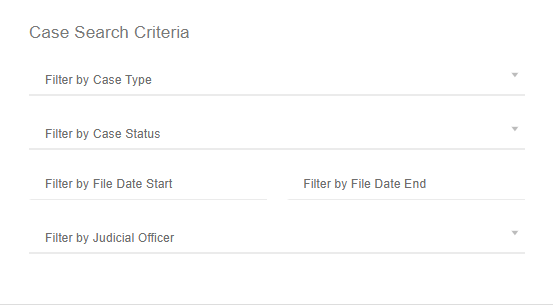
Check Specific Details
This online view shows public docket info but not all filings or documents. Some fields you might see include:
- Status (active, closed)
- Events (hearings, orders)
- Party information
- Next hearing date
Court Jurisdiction Authority
Court jurisdiction describes the legal power of a trial court to hear and decide specific cases. A California Superior Court holds authority over civil, criminal, family, probate, and juvenile matters within its county. Court jurisdiction refers to the legal boundaries that define a court’s decision-making power. It determines whether a judge may hear a case and issue a binding ruling. Jurisdiction exists to keep cases in the proper venue and to protect fairness in legal proceedings. In California’s state court structure, the Superior Court functions as the primary trial court, meaning it serves as the starting point for most disputes. Judges examine facts, apply statutes, and manage hearings under established procedural rules. Jurisdiction may depend on factors such as subject matter, geographic location, and monetary thresholds. Without proper jurisdiction, any decision could face legal challenge or dismissal.
Types of Cases Handled
A California Superior Court exercises broad judicial authority across multiple case categories. Its civil jurisdiction covers disputes involving contracts, property, personal injury, and monetary claims. Its criminal jurisdiction includes misdemeanors, felonies, arraignments, trials, and sentencing proceedings. The court’s family law authority governs matters such as divorce, child custody, visitation, and support obligations. In parallel, its probate authority addresses wills, trusts, estates, guardianships, and conservatorships. The court may hear juvenile cases, which involve dependency or delinquency issues affecting minors. This wide scope places the Superior Court at the center of local justice, where legal conflicts first receive formal review and resolution.
Difference Between Trial Courts and Appellate Courts
A clear distinction separates a trial court from an appellate court. The Superior Court hears evidence, evaluates witness testimony, and establishes the factual record. It determines what happened and how the law applies. By contrast, the Court of Appeal reviews whether legal errors occurred during the trial process. It does not conduct new trials or reexamine evidence. At the highest level, the California Supreme Court resolves significant legal questions and ensures statewide consistency. This layered system promotes stability, accuracy, and legal accountability across California’s judiciary.
Limits of Legal Authority
Even with broad court jurisdiction, authority has limits. Courts must operate within statutory and constitutional boundaries. For example, a California Superior Court cannot decide federal immigration cases. It cannot overrule appellate courts. Judicial power stays defined by law, not discretion.
Common limits include:
- Geographic restrictions (county/state boundaries)
- Subject-matter constraints
- Monetary caps in certain civil cases
- Separation from federal jurisdiction
- Appellate review authority
Judicial Departments & Court Divisions
Judicial departments organize how the court handles different case types. Each division manages specific matters, assigns courtrooms, and directs case flow.
How Judicial Departments Work
Judicial departments structure the internal operations of a Superior Court. They group similar cases into specialized divisions and legal departments. This system improves scheduling, case assignments, and courtroom efficiency. Each department operates in designated courtrooms with judges trained in that subject area. Case assignments follow defined rules based on filing type, urgency, and statutory requirements. As a result, civil disputes, criminal prosecutions, and family matters move through different procedural tracks. This division-based framework reduces delays and supports consistent judicial review.
Civil Division
The Civil Division handles non-criminal disputes between parties. These cases often involve contracts, property rights, personal injury, or business conflicts. Judges in civil courtrooms review filings, hear motions, and conduct trials when settlement fails. Many civil matters resolve through conferences or negotiated agreements before trial. Case assignments may depend on claim value, complexity, or legal classification. Civil departments maintain structured timelines that guide pleadings, discovery, and hearings. This division plays a major role in resolving financial and legal disagreements.
Criminal Division
The Criminal Division addresses violations of California law. These cases include misdemeanors, felonies, arraignments, and sentencing hearings. Criminal courtrooms focus on public safety, due process, and legal rights of the accused. Judges evaluate evidence, rule on motions, and oversee jury trials. Case assignments often depend on charge severity and custody status. Criminal departments coordinate closely with prosecutors, defense attorneys, and law enforcement agencies. Timely scheduling remains essential, particularly for defendants in custody.
Family Law Division
The Family Law Division resolves legal matters involving family relationships. Common cases include divorce, child custody, visitation, and support obligations. Judges aim to promote stability and protect the best interests of children. Hearings may involve temporary orders, mediation outcomes, or long-term judgments. Case assignments frequently consider urgency, especially in restraining order requests. Family law courtrooms manage emotionally sensitive disputes requiring careful judicial oversight. This division directly affects parental rights and family responsibilities.
Probate Division
The Probate Division oversees legal issues related to estates and personal care decisions. These matters include wills, trusts, conservatorships, and guardianships. Probate judges supervise asset distribution and validate legal documents. Hearings often address fiduciary duties and beneficiary rights. Case assignments may depend on estate size or petition type. Probate departments protect vulnerable parties and maintain structured legal processes. This division ensures orderly management of property and personal affairs after death or incapacity.
Juvenile Division
The Juvenile Division focuses on cases involving minors. These include dependency matters and delinquency proceedings. Judges handle issues tied to child safety, welfare, and rehabilitation. Juvenile courtrooms follow procedures distinct from adult criminal courts. Case assignments consider confidentiality and statutory protections for minors. Hearings may involve placement decisions, services, or corrective measures. This division emphasizes protective and corrective goals rather than punishment alone.
Traffic Division
The Traffic Division processes infractions and traffic-related violations. These cases often involve citations, fines, and compliance hearings. Traffic courtrooms handle high case volumes with streamlined procedures. Judges review violations, payment issues, and contest requests. Case assignments follow scheduling systems built for efficiency. Many matters resolve through payments or online options before hearings. This division supports roadway safety and regulatory enforcement.
Accessing Case Information
Case information Fresno County Superior Court searches allow users to review public records, hearing dates, and case status. Accurate results usually require a case number or full party name. Case information Fresno County Superior Court covers essential public details connected to a filed case. These records help users monitor progress and stay aware of court activity. Online systems often display a summary rather than full documents. Confidential, sealed, or restricted matters may not appear online. Availability depends on privacy rules and case classification.
Typical information available:
- Case number
- Filing date
- Case type (civil, criminal, family, etc.)
- Party names
- Case status
- Scheduled hearing dates
- Courtroom or department
Understanding Dockets and Filings
A docket is the official timeline of a case, documenting each procedural step and courtroom event from start to finish. Each entry in the docket is logged by the court clerk and includes details such as hearings, motions, judicial orders, continuances, and trial dates. Filings refer to documents submitted during the course of the case, which can include complaints, responses, motions, evidence submissions, and court rulings. While some filings may be available online, others may require a formal request at the courthouse for access.
Public Access to Court Records
California courts allow public access to many case records. Online portals provide convenient search tools for viewing basic details. Courts balance transparency with privacy protections.
Ways to access records:
- Online case search tools
- Courthouse public terminals
- Clerk’s Office requests
Records often restricted:
- Juvenile cases
- Sealed cases
- Certain family law matters
- Confidential filings
Court Administration & Governance
Court administration oversees daily court operations, case processing, and public services. It supports judges, manages records, and keeps the judicial system functioning efficiently. Court administration refers to the organizational framework that runs court operations. It covers planning, staffing, budgeting, scheduling, and policy implementation. Administrative systems ensure that hearings, filings, and courtroom procedures follow established rules.
This structure separates judicial decision-making from operational management. Judges focus on legal rulings, while administrators handle logistics and workflow. Effective administration reduces delays and improves service delivery. It keeps courtrooms organized and processes consistent. Without strong management, even routine cases could face disruption.
Role of the Clerk of Court
The Clerk of Court plays a central role in court administration. This office maintains official records, processes filings, and manages court documents. Clerk of Court handles case entries, hearing notices, and judgment records. They serve as the public’s primary contact point for procedural matters. Visitors often rely on the Clerk’s Office for copies, payments, and filing support. Clerks ensure that documents meet formatting and legal requirements. Accurate recordkeeping preserves the integrity of the judicial process.
Key responsibilities include:
- Managing case files
- Processing legal filings
- Maintaining court dockets
- Issuing certified copies
- Collecting fines and fees
Judicial Officers and Administrative Structure
Judicial officers include judges, commissioners, and referees who handle courtroom duties. They apply laws, conduct hearings, and issue decisions. Although they hold judicial authority, they operate within the broader administrative framework. Court leadership typically includes a Presiding Judge and administrative executives. These roles coordinate court policies, assignments, and departmental oversight. This governance structure promotes consistency across divisions. It aligns courtroom functions with operational goals.
Court Calendar & Hearing Schedules
The court calendar displays scheduled hearings, appearances, and trial sessions. It helps parties, attorneys, and the public track hearing dates and the trial schedule.
What the Court Calendar Shows
The court calendar serves as the official scheduling system for courtroom activity. It lists upcoming hearings, motion dates, conferences, and trial sessions. Courts update calendar entries regularly to reflect procedural changes. Users rely on this schedule to confirm when and where a case will be heard. Calendar details often include the case number, courtroom, department, and assigned judicial officer. This structure supports organized case flow and reduces scheduling conflicts. Accurate calendar information plays a key role in courtroom preparation and attendance.
Importance of Hearing Dates
Hearing dates mark critical steps in a legal proceeding. These sessions may involve motions, evidence review, status updates, or final determinations. Missing a scheduled hearing can lead to delays, penalties, or adverse rulings. Parties must verify dates carefully and note any updates issued by the court. Judges may reschedule hearings based on procedural needs or calendar adjustments. Tracking hearing schedules helps litigants stay compliant with court requirements and deadlines.
What is the Trial Schedule
The trial schedule outlines when a case proceeds to formal examination before a judge or jury. Trial dates often follow earlier hearings, discovery phases, and pretrial conferences.
Courts assign trial sessions based on courtroom availability, case readiness, and legal priorities. Changes may occur if settlements arise or procedural issues develop.
Reviewing the trial calendar allows attorneys and parties to prepare witnesses, evidence, and legal arguments.
How to Check the Court Calendar
Users may review the court calendar through online tools or courthouse resources. Many Superior Courts publish searchable calendars by date, department, or case number.
Common calendar search options:
- Case number
- Party name
- Hearing date
- Department or courtroom
Online calendars provide convenience, though same-day updates may occur. Verifying details before attendance remains a smart practice.
Reasons Calendar Dates May Change
Court schedules may shift for several reasons. Judicial availability, case complexity, procedural motions, or settlement discussions can affect timing.
Emergency closures, holidays, or administrative adjustments may alter hearing dates. Courts typically publish updates through official systems.
Checking the calendar regularly helps users avoid confusion or missed appearances.
Filing Procedures & Court Processes
Filing procedures are the official steps required to submit legal documents to the court. These procedures include how to prepare and submit forms, how to submit documents via paper or electronic systems, and interactions with the Clerk’s Office.
What Filing Procedures Mean
Filing procedures define how legal papers become part of the official court record. They ensure that filings meet formatting, timing, and statutory requirements. Each case begins with proper filing, whether initiating a lawsuit, responding to one, or submitting motions and notices. Courts follow state rules that control fees, document standards, and filing channels. A filing that fails to follow these requirements may be rejected or delayed. These procedures apply across case types including civil, criminal, family, probate, small claims, and traffic matters. As part of the process, users must pay required fees and provide accurate information before the court accepts the document for processing.
Document Submission Basics
Document submission refers to delivering official court forms and related papers for inclusion in the case file. Traditionally, users submit papers in person with the Clerk’s Office or by mail. Court clerks check that the documents include correct case captions, names, signatures, and supporting attachments. They then mark each document with a filing stamp to show the official date and time received. Incomplete or improperly formatted submissions may be returned for correction, which delays the case. Preparing documents carefully before submission improves acceptance and prevents unnecessary clerical issues.
Electronic Filing
Many California courts, including Fresno County Superior Court, support electronic filing (eFiling) for many case types. Through eFiling, users upload documents online to submit them without physically visiting the courthouse. Electronic systems provide immediate confirmation and a timestamped receipt for each submission. Users must follow specific technical requirements like file format and order of attachments. Some case types still require in-person submissions. eFiling platforms may charge service or convenience fees in addition to official court filing fees set under state rules. Always verify whether a particular case type qualifies for eFiling before starting.
Filing Through the Clerk’s Office
Submitting documents directly at a courthouse counter remains a common method. The Clerk’s Office accepts filings for civil, criminal, family, juvenile, probate, small claims, and traffic matters. Clerks process the papers, collect filing fees, assign case numbers, and update court records. They also provide certified copies, accept requests for docket entries, and issue hearing notices. Payment may be made by cash, personal check, cashier’s check, money order, or credit card. Interacting with the Clerk’s Office helps users confirm requirements, but clerks only process paperwork — they may not provide legal advice.
Filing Fees
Filing fees vary depending on the case type and action filed. Fees may change annually based on state rules, and fee waivers are available for eligible users who cannot afford them. The Statewide Civil Fee Schedule provides standard filing fees that Fresno County Superior Court follows:
- Filing an unlimited civil complaint (amount over $35,000) typically costs around $435.
- Filing a limited civil complaint (amount up to $10,000) usually costs around $225–$240.
- Family law and probate filings often follow similar fee schedules, commonly around $435 for initial petitions.
- Small claims filing fees vary by amount claimed (for example, smaller claims cost less than higher amounts).
- Other fees may apply for motions, certified copies, or record searches.
Jury Service Information
Jury duty Fresno County requires eligible residents to serve as jurors when summoned. The process begins with a juror summons and may lead to jury selection in a courtroom. Jury duty Fresno County represents a civic responsibility tied to the justice system. Citizens participate by hearing evidence and helping reach fair verdicts. Courts rely on jurors to ensure balanced and impartial decisions. Jurors listen to testimony, review facts, and apply legal instructions provided by the judge. This service supports both criminal and civil trials. Participation strengthens public confidence in court proceedings.
What is the Juror Summons
A juror summons is an official court notice requiring a response. It includes reporting instructions, dates, and eligibility questions. Ignoring a summons may result in penalties. Responding promptly helps courts manage scheduling and juror pools efficiently.
Typical summons details include:
- Juror identification number
- Reporting date
- Courthouse location
- Response instructions
- Qualification questionnaire
Jury Selection Process & Jury Duty Information
Jury selection, also known as voir dire, takes place in the courtroom where judges and attorneys ask questions to ensure that jurors can remain impartial. The court first explains the case, after which attorneys question potential jurors, and the judge rules on challenges to juror suitability. Once selected, jurors take an oath and serve on the trial. This process is crucial to maintaining fairness and due process. Many individuals also seek information about jury duty in Fresno County, including how to respond to a summons, request a deferral, the length of service, employer obligations, and payment policies. Reviewing official instructions can help reduce confusion and prevent missed appearances.
Online Services & Digital Access
Online court services allow users to complete legal tasks digitally. These systems provide eServices, remote tools, and options for remote hearings. Online court services simplify interactions with the court system. Users can search cases, submit filings, pay fines, and review schedules without visiting the courthouse.
Digital tools improve convenience, reduce wait times, and support faster communication. Courts continue expanding electronic options to improve efficiency and user experience.
eServices Available to Users
eServices provide secure online functions tied to court operations. Availability may vary by case type and court division. These services help users manage legal responsibilities from any location.
Common eServices include:
- Case information search
- eFiling systems
- Fine and fee payments
- Court calendar lookup
- Jury reporting portals
Remote Hearings and Virtual Appearances
Many courts now support remote hearings through approved video platforms. Parties may appear virtually for eligible proceedings.
Remote participation saves travel time and improves scheduling flexibility. Courts issue instructions that explain login procedures, conduct rules, and technical requirements.
Users must join hearings on time and follow courtroom etiquette even in virtual sessions.
Fresno Superior Courthouse Locations
The Fresno Superior Courthouse system operates multiple official court buildings across Fresno County. Each location handles specific case types and serves defined department assignments, making it easier to find the right venue for hearings, filings, or administrative needs.
Main Courthouse Locations in Fresno
Here are the principal courthouse facilities within Fresno:
• Fresno County Superior Court – 1100 Van Ness Ave, Fresno, CA 93724
This is the primary Fresno Superior Courthouse Downtown Location, handling a wide range of matters. The Clerk’s Office here processes general filings and supports criminal, juvenile dependency, and various trial assignments. Courtroom calendars and hearings, especially for significant criminal and dependency cases, are scheduled at this address.
• B. F. Sisk Courthouse – 1130 O St, Fresno, CA 93721
The B.F. Sisk Courthouse houses many non-criminal divisions including civil (limited and unlimited), family law, probate, restraining orders, small claims, and self-help resources. Visitors attending civil or family hearings commonly go here.
Frequently Asked Questions
Users often have practical questions about searching cases, viewing records, and resolving lookup issues. This section addresses the most common concerns related to Fresno County Superior Court information. Each answer focuses on clarity, accuracy, and real-world use. The goal is to help visitors quickly find reliable case details, court schedules, and record data. These FAQs reflect typical search intent and user behavior.
How do I search Fresno County Superior Court cases?
Searching Fresno County Superior Court cases usually begins on the court’s official website. Users can locate the Case Search or Online Services area, where lookup tools are organized by division. Entering accurate details greatly improves results. A case number provides the most direct match, though searches by party name are common. When searching by name, users should enter the full legal name exactly as filed. Even small spelling differences may affect results. Choosing the correct case type—criminal, civil, family, probate, juvenile, or traffic—helps narrow listings. Many records display a case summary, status, hearing dates, and department assignment. If results appear incomplete, users may retry using different search fields. Court databases update regularly, though posting delays may occur after new filings or hearings.
Can Fresno court records be searched online?
Yes, many Fresno court records are searchable online through the Superior Court’s digital systems. Public tools provide visibility into dockets, case events, party listings, and scheduled hearings. Availability depends on record type and privacy rules. Criminal, civil, family, probate, and traffic matters commonly appear in search results. Some documents may show as listed but unavailable for download. Confidential, sealed, or restricted files remain protected under California law. Online portals typically update after clerk processing and system synchronization. Users reviewing case details can check filing activity, future hearings, and courtroom assignments. For certified copies or unavailable records, visitors may contact the Clerk of Court. Online search systems offer convenience, though official paper records remain the legal source of truth.
Why is a Fresno court case not showing?
A Fresno court case may not appear for several routine reasons. Timing plays a major role. Newly filed cases often require clerk review before database publication. This processing period may create short visibility gaps. Search errors can also prevent matches. Misspelled names, incomplete case numbers, or incorrect division filters frequently block results. Some cases carry restricted visibility. Juvenile, sealed, or confidential matters follow strict privacy protections. System maintenance windows may temporarily affect search tools. Users facing missing results can retry using alternate criteria, especially a case number. Checking back after a short interval often resolves the issue. If uncertainty remains, contacting the Clerk’s Office provides confirmation of filing status, courtroom assignment, or record availability.
How does case number search work?
A case number search offers the most accurate way to locate Fresno County Superior Court information. Each number functions as a unique identifier within the court’s case management system. Entering it correctly typically leads directly to the matching file. Users should type the full number exactly as shown on official court documents. Even minor formatting mistakes may return no results. Case numbers often include letters and digits indicating division and filing year. Once located, the record may display case status, hearing schedules, party names, and filing history. This method reduces confusion from similar names or duplicate parties. When possible, users should copy and paste the number to avoid typing errors. If the search still fails, the Clerk’s Office can verify accuracy.
Are all Fresno court documents publicly viewable?
No, not every Fresno court document appears in public search systems. California law protects certain records based on confidentiality, privacy, or legal restrictions. Public portals focus on case summaries and permitted filings. Sealed cases, juvenile matters, mental health proceedings, and sensitive personal data remain restricted. Some files display limited information without document images. Access to certified copies or full records often requires a clerk request. Courts balance transparency with legal privacy safeguards. Users reviewing online listings should understand that missing documents do not indicate errors. They often reflect statutory protections. For clarification, visitors may consult the Clerk of Court regarding eligibility, copy requests, or viewing procedures at designated courthouse locations.