Fresno County Traffic Court handles cases related to traffic violations, moving violations, and vehicle code infractions issued within Fresno County. Drivers typically search for this page after receiving a Fresno traffic ticket or citation notice. The court processes matters such as speeding tickets, red-light violations, insurance issues, and registration offenses. Many visitors want clear details about Fresno citation lookup, ticket payments, and fine deadlines. This page helps users understand what steps to take after a citation appears in the system. It explains how to check case status, review balance amounts, and avoid late penalties. Timely action prevents added fees, license holds, or collection referrals. Accurate court information supports faster resolution and fewer complications. Users can identify response options, including paying the fine, requesting traffic school, or scheduling a hearing.
Fresno County Traffic Court provides structured options that guide drivers through citation resolution and compliance requirements. Visitors often need to confirm violation details, due dates, and accepted ticket payments methods. A Fresno citation lookup helps verify case records, outstanding balances, and eligibility for traffic school. This information reduces confusion and helps drivers act before fine deadlines expire. The court manages both standard infractions and more serious moving violations that may affect DMV points. Understanding these categories helps users choose the correct response. Clear instructions support payments, contesting tickets, or submitting proof of correction. Missing a response window can trigger civil assessments or license restrictions. Reliable court resources promote responsible action, accurate documentation, and smoother case outcomes for drivers seeking clarity and resolution.
What Is Fresno County Traffic Court?
Fresno County Traffic Court is the traffic division of the local court system that resolves traffic cases and minor offenses. It has court jurisdiction over infractions and certain misdemeanor-level violations issued within Fresno County. Fresno County Traffic Court serves as the official traffic division responsible for managing violations issued under the California Vehicle Code. This court section focuses on traffic cases that range from routine citations to select misdemeanor-level matters. It reviews tickets, records driver responses, and applies penalties or dismissals based on legal standards. The court’s court jurisdiction covers incidents that occur within Fresno County Court boundaries. Drivers typically engage with this division after receiving a citation or reminder notice. Clear processes help drivers move forward through payment, traffic school requests, or hearings. Deadlines and accuracy matter at every step. Reliable court information helps drivers avoid added fees, license holds, or compliance issues. Understanding the court’s purpose reduces confusion and supports faster resolution.
Role of the Traffic Court
The traffic court plays a central role in maintaining order and fairness across all traffic cases filed in Fresno County. It acts as the decision-making body that evaluates citations, evidence, and driver responses. Judges and court staff ensure each case follows established legal procedures. This division protects due process rights while enforcing traffic laws consistently. It balances public safety goals with structured penalty systems. Drivers receive opportunities to respond, correct violations, or contest charges. Timely handling prevents backlog and unnecessary escalation. The court also tracks compliance, payments, and case closures. Accurate case records help prevent reporting errors that could affect DMV status. A clear understanding of the court’s responsibilities helps drivers take appropriate action without delay or misunderstanding.
Core responsibilities include:
- Reviewing citations and supporting documents
- Recording pleas (guilty, not guilty, no contest)
- Scheduling arraignments and hearings
- Determining fines, fees, or dismissals
- Managing compliance and payment tracking
Types of Matters Handled
Fresno County Traffic Court handles a wide spectrum of minor offenses and citation-based violations. Most cases involve infractions that do not carry jail penalties. These include moving violations and correctable issues. Some citations require proof of correction or updated documentation. Other cases involve fines, traffic school eligibility, or hearings. The court distinguishes between standard violations and more serious offenses. Misdemeanor traffic matters may include reckless driving or driving without a valid license. Each case follows defined timelines and response rules. Drivers benefit from checking citation details early. Accurate case review prevents missed deadlines and added assessments. Knowing which matters the court handles helps drivers select the correct response path and avoid preventable penalties.
Matters include:
- Speeding violations
- Signal and stop sign offenses
- Distracted driving citations
- Proof of insurance violations
- Registration or equipment issues
- Failure to appear / failure to pay
Civil vs Criminal Traffic Infractions
Traffic violations processed by Fresno County Traffic Court fall into civil infractions or criminal offenses. Civil infractions represent the majority of cases. These involve minor offenses such as speeding or equipment violations. Penalties usually include fines or traffic school options. Criminal traffic offenses carry higher consequences. These may include misdemeanor charges that require a court appearance. Outcomes vary based on severity and case facts. Criminal matters may involve probation, higher fines, or other penalties. Understanding this distinction helps drivers evaluate risk and obligations. It clarifies whether personal appearance is required. Early awareness prevents unexpected penalties or license issues. Drivers who understand case classification make informed decisions and respond within deadlines.
| Category | Description | Possible Outcome |
|---|---|---|
| Infractions (Civil) | Non-criminal minor offenses | Fine, traffic school |
| Misdemeanors (Criminal) | Higher-risk violations | Court appearance, penalties |
How to Use the Fresno County Site to Find Traffic Records
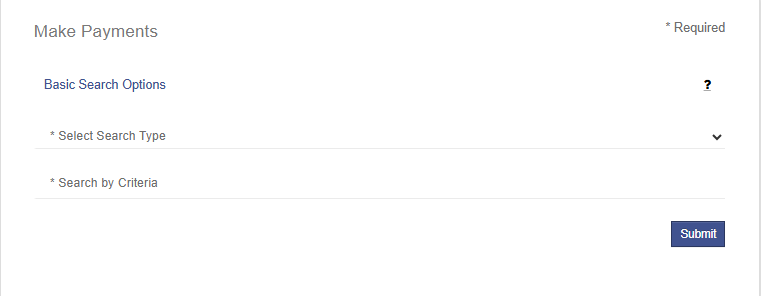
This page is part of Fresno County’s official court website and links to tools that help with traffic cases. It doesn’t directly show full traffic records, but it does point you to services you can use to find or act on citations. Fresno’s Pay Traffic Fines tool is one of several ways to interact with your traffic case — including looking up basic record details.
Visit the Official Traffic Payment Page
Go to Official URL: https://www.fresno.courts.ca.gov/online-services/pay-traffic-fines
Click “Pay Now”
Under Pay Traffic Fines, click the Pay Now button.
This launches the court’s traffic payment portal (a secure public portal).
From that portal you can:
- Enter your citation number
- Enter your case number
- Search by your name or other identifying details
- See balance information and payment options
If You Can’t Find Your Record Online
Some citations may not appear immediately online — especially right after issuance. If a search returns no results:
- Wait a few days and try again
- Call the Traffic Department at (559) 457-1700
- Check whether your ticket has a mandatory court appearance
Where to Find Them
Here are the official services linked from the Fresno Court site and what each one does:
| Link | Purpose | Official Use |
|---|---|---|
| Case Information Portal | Search basic court records | Look up traffic case status online |
| Pay Traffic Fines | View and pay citation balances | Access fines, due dates, and payment methods |
| Case Index Ordering | Order bulk case listings | Request indexed records for multiple cases (may have fees) |
| Traffic Division Contact | Clerk office assistance | Ask court staff to help find records |
Important things for Searching Traffic Records
- The traffic payment portal also functions as a lookup tool — the system displays case balances and due dates when you enter citation or case numbers.
- Some traffic records may take time to appear online after a ticket is filed. Officials suggest waiting a few days and checking again.
- For older citations or certified documents, you may need to request records through the clerk’s office in person or by mail.
- Pay traffic fines only through the official Fresno courts portal, not through unrelated third-party sites.
Types of Traffic Violations Handled
Fresno County Traffic Court reviews and resolves a wide range of traffic violations. These cases typically fall into moving violations, non-moving violations, and more serious traffic offenses. Traffic courts manage violations issued under the California Vehicle Code. These include moving violations, non-moving violations, and standard traffic infractions. Each category carries different penalties and response options. Some violations result in fines only, while others may require a court appearance. The severity of the offense often determines the outcome. Drivers benefit from understanding how violations are classified. This knowledge helps with citation response, fine payments, and traffic school decisions. Timely action prevents added fees or license consequences. Below are the most common categories handled by Fresno County Traffic Court.
Moving Violations
Moving violations occur when a vehicle is in motion. These offenses often impact DMV points and insurance rates. A speeding ticket Fresno is one of the most frequent moving violations. Other examples include unsafe lane changes and failure to obey signals. Courts treat these violations seriously since they relate to road safety. Penalties may include fines, DMV points, or traffic school eligibility. Repeated violations may increase consequences. Drivers should review citation details carefully. Many moving violations qualify as traffic infractions.
Common moving violations include:
- Speeding violations
- Reckless driving citation
- Lane violations
- Red light ticket
- Failure to yield
- Illegal turns
Non-Moving Violations
Non-moving violations involve vehicle conditions or parking-related issues. These offenses usually do not add DMV points. Equipment violations often relate to broken lights, tinted windows, or missing plates. Parking citations fall into this category as well. Courts may allow proof of correction for eligible violations. Once corrected, penalties may be reduced or dismissed. Fines still apply in some cases. Drivers should respond before deadlines.
Examples of non-moving violations:
- Equipment violations
- Parking citations
- Expired registration
- Fix-it tickets
- Documentation issues
Serious Traffic Offenses
Serious traffic offenses carry higher legal consequences. These cases may require mandatory court appearances. A DUI traffic court Fresno case involves driving under the influence charges. Violations tied to a suspended license also fall into this group. Penalties may include large fines, probation, or license suspension. Some cases carry possible jail sentences. Courts evaluate evidence, driving history, and legal factors. Legal representation may help in complex situations. These violations differ from standard traffic infractions.
Serious offenses may include:
- DUI-related violations
- Driving with a suspended license
- Hit-and-run incidents
- Excessive speeding
- Reckless endangerment
Fresno Traffic Ticket Payments
Drivers can resolve a Fresno traffic ticket through ticket payments made online, in person, or by mail. Paying on time helps avoid added penalties, license holds, and civil assessments. A Fresno traffic ticket requires attention soon after issuance. Each citation lists the fine amount, due date, and response options. Drivers who complete ticket payments before the deadline typically close the case without further action. Late payments may trigger extra fees or collection activity. The court calendar provides important deadlines and payment dates. The court accepts multiple payment methods to improve convenience. Options include online ticket payment, clerk counter payments, and mailed payments. Some drivers may qualify for payment plans or installments. Eligibility depends on case type and court rules. Checking citation details early reduces errors and delays. Accurate payment records help prevent reporting issues. Below are the standard payment choices available for Fresno traffic citations.
Online Payment Methods
Online systems provide the fastest way to pay traffic fine Fresno. This method works well for most payable infractions. Drivers enter the citation number or case number into the court’s payment portal. The system displays balance details and accepted payment methods. Many users prefer this option for speed and confirmation receipts. Always save the confirmation receipt.
Steps for online ticket payment:
- Visit https://www.fresno.courts.ca.gov
- Select Online Services → Pay Traffic Fines
- Enter citation or case number
- Review balance and penalties
- Submit payment securely
In-Person Payments
Some drivers choose to pay directly at the clerk’s office. This option helps when questions or corrections arise. Clerk staff can confirm balances, due dates, and eligibility for traffic school. In-person payments may include cash, card, or approved methods. Office hours and wait times vary. Request a printed receipt after payment.
Bring the following items:
- Citation or reminder notice
- Valid identification
- Payment method
Payment by Mail
Mail payments suit drivers who prefer traditional processing. Accuracy remains important. Drivers send a check or money order using the instructions on the citation. Payments must arrive before the deadline, not just be postmarked. Incorrect details may delay posting. Late arrival may result in penalties.
Mail payment include:
- Include citation number
- Do not send cash
- Allow mailing time
- Keep copies for records
Payment Plans / Installments
Payment plans support drivers unable to pay the full fine at once. Approval depends on court policies. Installments divide the balance into scheduled payments. Missing a payment may cancel the plan and add penalties. Drivers should review terms carefully before enrolling. Contact the traffic clerk for availability.
Plans may require:
- Initial down payment
- Signed agreement
- Compliance with schedule
Traffic Ticket Deadlines & Fine Due Dates
Every traffic citation carries a due date and strict fine deadlines. Meeting the payment deadline Fresno helps drivers avoid added penalties, higher balances, and license consequences. Traffic ticket timelines determine how long a driver has to act. Each citation lists a response date for payment, traffic school, or contesting the case. Courts apply these deadlines to maintain compliance and case flow. Missing a due date may trigger automatic penalties. Even short delays can increase the total balance. Early review helps drivers stay in control. Checking citation details confirms the correct fine deadlines and response options. Timely action prevents civil assessments, collections, or DMV reporting issues. Keeping proof of submissions or payments protects against posting errors. Below are the key deadline and fine-related factors drivers should understand.
Importance of Deadlines
Deadlines establish the legal window for responding to a citation. The court expects drivers to act before the listed due date. Drivers may pay the fine, request traffic school, or schedule a hearing. Missing the payment deadline Fresno may reduce available options. Early compliance protects eligibility for fine reductions or correction credits. Saving confirmation receipts helps resolve disputes. Acting early keeps the case manageable.
Why deadlines matter:
- Prevent added civil penalties
- Avoid license holds
- Preserve traffic school eligibility
- Reduce financial stress
Late Penalties & Extra Fees
Late payments often increase the amount owed. Courts may add civil assessments to unpaid balances. These penalties can exceed the original base fine. Unresolved cases may move into collections. Additional fees may apply for Failure to Appear (FTA) violations. Drivers benefit from verifying balances before deadlines expire. Timely response reduces avoidable costs.
Possible late consequences:
- Higher total fines
- Civil assessment charges
- Collection referrals
- Credit reporting risks
Fines, Fees & Taxes
Traffic ticket costs include more than the base fine. California citations often carry penalty assessments, fees, and state surcharges. The final amount depends on violation type and statutory add-ons. A small base fine can multiply after required assessments. Judges may adjust amounts in eligible cases.
| Violation Example | Base Fine (Approx.) | Total With Assessments* |
|---|---|---|
| Speeding (low range) | $35–$100 | $230–$490 |
| Red light violation | ~$100 | $480+ |
| Stop sign violation | ~$35 | $230+ |
| Equipment violation | ~$25 | Varies / correctable |
Important cost components may include:
Drivers should confirm exact balances through the official court portal.
- State penalty assessments
- County assessments
- Court operations fees
- Conviction surcharges
Failure to Appear Consequences
Failure to Appear occurs when a driver misses a required court date or response deadline. FTA findings may add substantial penalties. Courts may impose civil assessments or license restrictions. Some cases may result in a bench warrant. Clearing an FTA usually requires immediate court contact. Fast action limits further consequences.
FTA risks may include:
- Additional fines
- License suspension or holds
- Mandatory appearance
- Warrant issuance in certain cases
Consequences of Ignoring a Traffic Ticket
Ignoring a traffic ticket can trigger failure to appear, higher fines, and possible license suspension. It may add DMV points, which often raise insurance costs. A traffic citation carries legal obligations and firm response deadlines. When a driver takes no action, the court may record a failure to appear (FTA) or failure to pay. This status can escalate quickly. Penalties often increase, and driving privileges may be affected. Unresolved tickets may move into collections or enforcement stages. Even minor infractions can grow into serious issues. Early response helps prevent added fees and record complications. Drivers who verify case details and act before deadlines reduce risk. Below are the most common consequences tied to ignoring a citation.
Warrants & Legal Actions
Missing a required appearance may lead to a bench warrant in certain cases. This outcome depends on the violation type and court decision. A warrant authorizes law enforcement action. It may result in a court-ordered appearance or arrest during a traffic stop. Clearing a warrant usually requires immediate court contact. Delays may worsen penalties. Fast action helps limit disruption.
Possible legal risks include:
- Bench warrant issuance
- Mandatory court appearance
- Additional charges
- Arrest risk during stops
Increased Fines & Civil Assessments
Ignoring a citation often increases the total balance owed. Courts may add civil assessments and late penalties. These charges can significantly exceed the original base fine. Collection referrals may follow continued non-payment. Extra fees apply even if the original violation was minor. Timely payment prevents avoidable costs.
Financial consequences may include:
- Higher fine amounts
- Civil assessment penalties
- Collection agency referral
- Wage or tax refund actions
License Suspension & DMV Points
Failure to resolve a ticket may trigger license suspension or a hold on renewal. Courts report qualifying violations to the DMV. Certain offenses add DMV points to the driving record. Accumulated points may affect driving status. Suspensions often remain until the case is cleared. Checking citation status early protects privileges.
Driving record impacts may include:
- DMV points added
- License suspension
- Renewal blocks
- Compliance requirements
Insurance Impact & Rate Increases
Unresolved violations and DMV points often affect insurance premiums. Insurers review driving records during renewals. Higher-risk profiles may lead to rate increases. Serious violations may result in policy non-renewal. Even one ignored ticket can influence long-term costs. Maintaining a clean record reduces financial strain.
Insurance-related risks:
- Premium increases
- Loss of safe-driver discounts
- Policy complications
Options After Receiving a Fresno Traffic Ticket
After receiving a Fresno traffic ticket, a driver may plead guilty, request traffic school, contest ticket, or ask for a court hearing. Acting before the deadline protects driving privileges and limits added penalties. A Fresno traffic ticket starts a legal response window. Each citation lists a due date and available choices. Drivers should review violation details carefully. Early action keeps more options open. Waiting too long may trigger higher fines or a failure-to-appear status. The correct response depends on the violation type, driving record, and desired outcome. Some drivers prefer quick payment. Others seek traffic school to reduce DMV point visibility. Certain cases justify contesting the citation. The sections below explain the most common response paths.
Pay the Fine
Paying the fine closes the case for most standard infractions. This option counts as a plead guilty or no contest resolution. The court records the payment and updates the case status. DMV points may apply depending on the violation. Insurance rates may change if points are added. Drivers should keep proof of payment.
Key points to remember:
- Fastest resolution method
- May add DMV points
- Case closes after posting
Request Traffic School
Traffic school helps eligible drivers prevent DMV points from appearing on public records. Approval depends on court rules and violation type. Drivers must request traffic school before the deadline. Fees apply for enrollment and court processing. Completion within the required timeframe is mandatory.
Benefits may include:
- Protects driving record visibility
- Reduces insurance impact risk
- Keeps citation compliant
- Eligibility varies by offense.
Contest the Citation
Drivers who believe the ticket was issued in error may contest ticket through legal procedures. Contesting requires entering a not guilty plea. The court schedules a hearing or accepts a trial by written declaration. Evidence and testimony influence the outcome. Preparation improves success chances.
Reasons to contest:
- Incorrect facts
- Identification errors
- Legal defenses
Request Court Hearing
A court hearing allows drivers to present their case before a judge. This step applies when contesting or addressing special circumstances. Hearings follow scheduled court dates. Missing the appearance may result in penalties. Drivers may appear personally or through legal representation. Court decisions are final unless appealed.
Hearing outcomes may include:
- Case dismissal
- Fine reduction
- Conviction ruling
Fresno County Traffic Court Locations
Drivers searching for a Fresno traffic court address can find traffic services at designated courthouse locations. Visiting the correct traffic division offices helps avoid delays and scheduling issues. Fresno County provides traffic-related services through specific courthouse locations. Each site may handle filings, payments, hearings, and record requests. Drivers should confirm the assigned courthouse listed on the citation. Court jurisdiction and case type determine where a matter is processed. Arriving at the wrong location can result in missed deadlines. Checking addresses and hours before visiting prevents unnecessary trips. Office schedules may vary by holiday or administrative updates. Early verification supports smooth service and faster case handling.
Courthouse Locations & Addresses
Traffic cases are handled at designated Fresno County Superior Court facilities. Always verify the address printed on the ticket or notice. Addresses may change based on court restructuring. Drivers should verify details through the official Fresno County Superior Court website.
Fresno traffic court address details include:
B.F. Sisk Courthouse
1130 O Street
Fresno, CA 93724
Clovis Courthouse (Traffic Services)
Multiple divisions may operate depending on case assignment.
Traffic Division Office Hours
Traffic division offices follow standard business schedules. Hours may vary by courthouse and service type. Courts remain closed on weekends and judicial holidays. Arriving early helps reduce wait times. Some services may require appointments or online submissions.
Typical operating hours:
- Monday – Friday
- 8:00 AM – 4:00 PM
Frequently Asked Questions
Drivers often have questions after receiving a citation, especially about lookup, payments, and deadlines. These clarify the most searched Fresno traffic ticket concerns. These address the most common concerns drivers face after receiving a Fresno traffic citation. Clear information supports timely decisions and fewer complications.
How do drivers check a Fresno traffic ticket?
Drivers check a Fresno traffic ticket by using the official Fresno County Superior Court online case tools. The most reliable method involves entering the citation number or case number. Name-based searches may work, though accuracy improves with exact details. The system typically displays balance information, due dates, and case status. Records may not appear immediately after a ticket is issued. Processing time depends on when law enforcement files the citation with the court. Many tickets appear within several business days. Drivers should verify spelling and number entries before submitting a search. Incorrect inputs often return no matches. If the citation still does not appear, contacting the traffic division clerk helps confirm filing status and next steps.
Can a fine deadline be extended?
Fine deadlines may be extended in eligible cases through a formal request. Courts sometimes grant extensions for valid reasons. Drivers must submit the request before the original due date passes. Approval depends on court policies and violation type. An extension does not erase the fine. It only provides extra time for payment or response. Missing the new deadline may trigger penalties. Online systems may offer extension options for qualifying tickets. Drivers should check citation instructions carefully. Some violations require a mandatory appearance and do not qualify. Keeping proof of approval protects against posting errors. Early requests reduce the risk of civil assessments or failure-to-appear consequences.
What happens if a driver misses a court date?
Missing a scheduled court date may result in a failure to appear. Courts treat missed appearances seriously. Penalties often include additional fines or civil assessments. The court may place a hold on the driver’s license. Certain cases may lead to a bench warrant. Consequences vary based on the violation type. Drivers should act quickly after realizing the missed date. Contacting the traffic clerk helps resolve the status. Courts may allow rescheduling or compliance steps. Delays may increase financial and legal risks. Clearing the issue early helps prevent license suspension or collection referrals. Keeping documentation supports smoother resolution.
Can traffic school remove DMV points?
Traffic school does not remove DMV points, though it may mask them from public view. Eligible drivers can request court approval. Completion prevents the point from appearing on standard insurance records. Eligibility depends on violation type and driving history. Serious offenses typically do not qualify. Traffic school requires payment of fines and fees. Drivers must finish the course within the assigned timeframe. Failure to complete may restore penalties. Courts report successful completion to the DMV. This option helps reduce insurance rate increase risk. Drivers benefit from confirming eligibility before enrolling. Accurate compliance protects driving record standing.
How long does citation lookup take?
Citation lookup timing depends on court processing stages. Newly issued tickets may take several days to appear. Law enforcement agencies must first submit citation data. Court systems then enter and verify the case. Many records appear within one to three weeks. Delays may occur during high filing periods. Drivers should recheck the system periodically. Accurate search details improve match success. Citation number searches return faster results. Name-only searches may require broader filtering. If a ticket remains unavailable, contacting the clerk confirms status. Early monitoring helps drivers meet deadlines and avoid penalties tied to missed responses.